
|
Better breeding for Hong Kong's terns
Over 1,000 terns have been studied in Hong Kong, a record high in recent years. About 860 terns, or 90%, have been found at their known breeding sites on
islands in the Tolo Channel and Mirs Bay this summer. The number of terns increased by 50% when compared with the same period last year.
The population of Black-naped and Bridled Terns reached a record high, said Senior Wetland Park Officer Edmond Lam . There were 240 Black-naped and 570 Bridled Terns at the sites, representing rises of 124% and 26% respectively over last year. The Roseate Tern, whose population fell from 120 in 1998 to only eight last year, increased significantly to 55.
There are 44 species of terns in the world and 12 are found in Hong Kong. The above three species migrate to Hong Kong every summer. Some 200 terns were also found to be breeding on islands which did not have any previous breeding record. 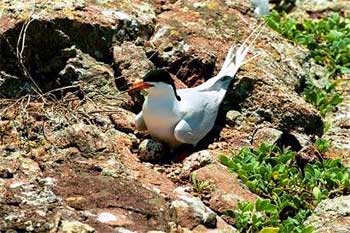
Artificial next boxes boost reproduction
The population increase has been helped by an Agriculture, Fisheries & Conservation Department trial scheme to breed terns in artificial nest boxes this summer. At one of the test sites, Mr Lam said, all the nest boxes were occupied by terns, with 56% used for breeding. The hatching rate of tern eggs in the nest boxes was 80%. This compared to the 28% hatching rate of eggs in natural non-sheltered environments. The hatching rate of eggs in the nest boxes was 2.8-fold higher than those in the wild.
Under the scheme, the department installed 16 artificial nest boxes in a known breeding site, and put another 16 boxes, 80 tern decoys, and a machine sending out the voices of terns on an island visited by the bird. 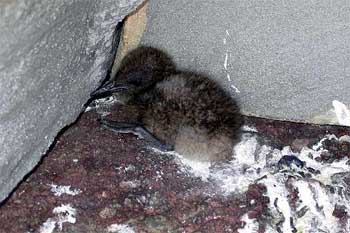
Tern decoys and tern call machines were also used to lure terns to breed on an island with no previous breeding record. The measures were to lure the seabird to nest on the island, and possibly diversify its breeding site.
Mr Lam said the department's conservation measures have proven effective in increasing the tern population. They include:
- Producing leaflets and posters on conserving terns, along with codes and laws for protecting and watching terns for target groups including eco-tourists, bird watchers, divers, students and anglers;
- Monitoring the tern population and breeding conditions;
- Displaying prominent warnings in breeding areas to stop visitors from entering tern nesting sites; and,
- Stationing department officers at breeding sites when necessary to enforce relevant protection laws and codes. 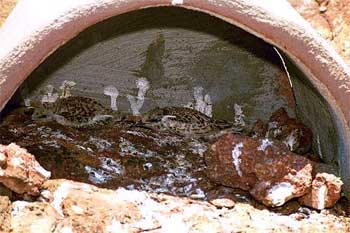
|